
 Give Today
Rooted in Community: How Three Local Attorneys Build Trust Across Generations
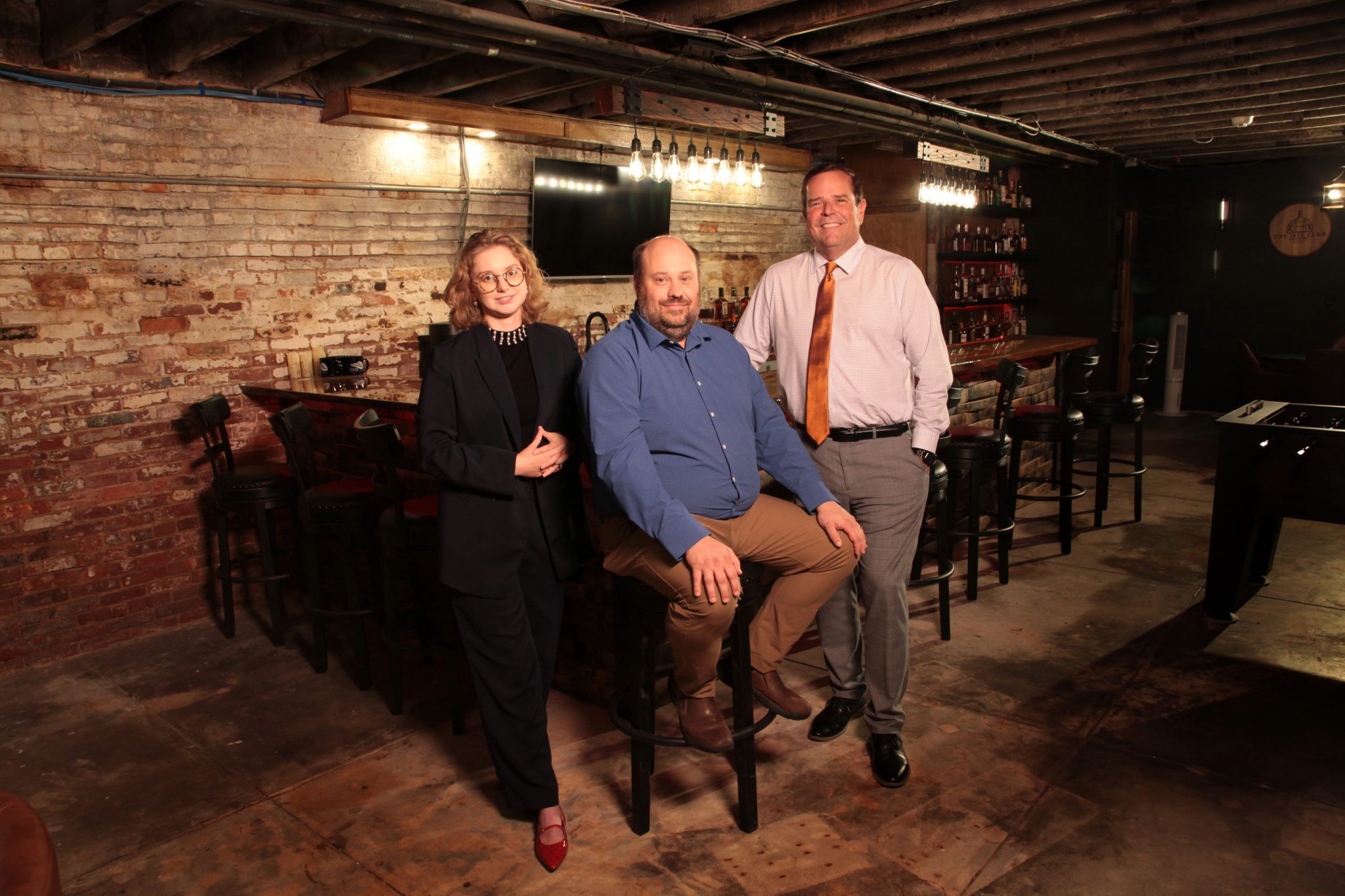
For Gary Banet, Steve Langdon, and Bridget Cantrell, Southern Indiana is not just where they practice law.
It is where they learned to ride bikes, where they cheered at Friday night games, where they raised their children. And now, it’s where they help guide families through some of life’s most complicated decisions.
“It’s home,” Steve says, simply. “This is home for me. I grew up here. My dad was a school teacher in Clarksville. Most people who walk in our door are our neighbors.”
Gary shares the same sentiment, and the same roots. After leaving for college, he returned to Southern Indiana without hesitation. Today, he jokes with his children that moving away might lead to disinheritance – and he insists he’s only half-joking.
“This area is where our families are, where our lives make sense,” he says. “Everyone you meet is somehow connected. It’s very rare that somebody meets me where we don’t already know someone in common. Whether it’s from school, church, or the ball fields, we call this place home because, frankly, it’s what I think about when I say it.”
Bridget’s path included living outside the region. But every time she returned, she saw Southern Indiana with new appreciation.
“It’s beautiful here,” she says. “Families have been on the same land for generations. They care deeply about preserving what their grandparents and great-grandparents built.”
That sense of place is the foundation of the trio’s work at Church Langdon Lopp and Banet (CLLB) Law, where estate planning is far less about legal documents and far more about relationships, legacies, and trust.
A Practice Built on Purpose
Ask any of the three attorneys what makes their firm unique, and the answer comes quickly: community.
The firm’s founders all came from large regional practices, but they wanted something different: a place where being part of the community wasn’t an afterthought but a requirement.
At CLLB Law, every attorney sits on community boards. Every sponsorship reflects passion, not obligation. And staff members are expected not just to attend events but truly show up, participate, and invest in organizations they care about.
“It’s not technically a requirement,” Gary laughs, “but it’s a requirement.”
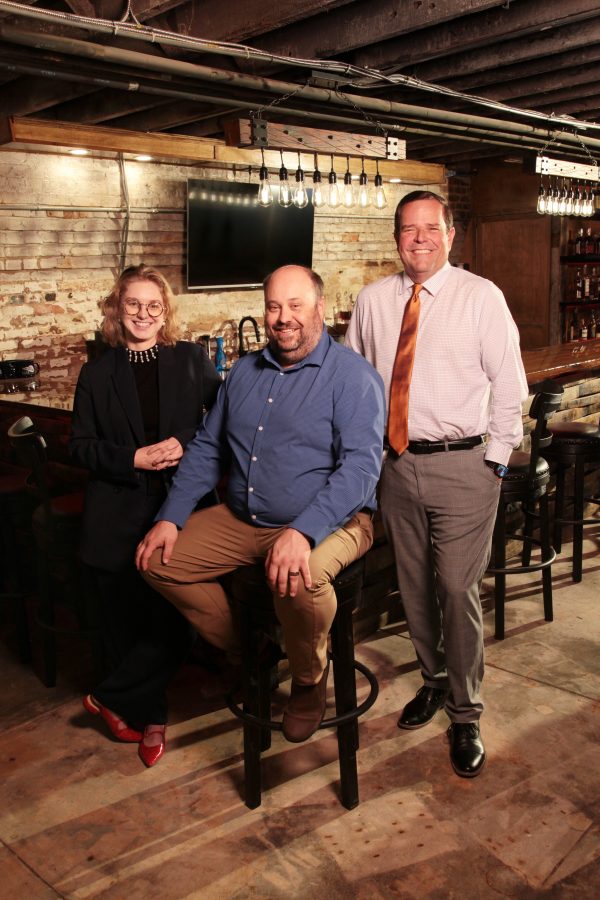
And it shows.
The firm sponsors more local events and nonprofits than most firms its size – not out of image-building but because they believe community support works best when it’s authentic.
“We don’t sponsor anything ‘willy nilly,’” Gary says. “If we put our name on something, we’re involved.”
This community-mindedness is also woven deeply into their daily work. Their clients rarely come to them as strangers. More often, they come as referrals from neighbors, fellow parishioners, old high school classmates, or other attorneys.
In fact, external attorney referrals are among the trio’s greatest points of pride. “When another lawyer trusts us with their clients,” Steve says, “that means something.”
Though each attorney brings different skills, they operate as one cohesive unit. Gary specializes in estate and tax planning for high-net-worth families. Steve handles a wide range of estate issues, including advanced planning and long-term care considerations. Bridget frequently supports clients facing guardianship, family transitions, and new life circumstances.
Together, they can handle any scenario – from a simple will for a young family to complex wealth transfers for multigenerational landowners, to crisis Medicaid planning for someone moving into nursing care.
“There’s no ego,” Gary says. “If someone comes to me with an issue Steve should handle, I tell them. If it’s a case where Bridget’s the better fit, I send them her way. At the end of the day, the client’s needs come first.”
That philosophy is rare. But it works.
And the community notices.
On any given day, the three collectively see eight or more new clients – sometimes far more. Demand is driven, in part, by reputation but also by the scarcity of estate planners in the region with their level of breadth and experience.
“We’ve been doing this for decades,” Steve says. “People trust us because their neighbors trust us.”
“We Meet Clients Where They Are – Literally.”
Estate planning may be a legal process, but it begins with understanding people’s lives.
The trio avoids impersonal questionnaires. Meetings begin not with forms but conversation. “Before I ever write anything down,” Gary says, “I’ve spent ten minutes talking about their kids, their grandkids, where they grew up. You have to know who they are before you can plan for them.”
They are also committed to accessibility in the most literal sense.
Steve regularly meets clients in their homes, at the hospital, or even in ICU rooms when circumstances are urgent. Elderly clients unable to travel are never turned away.
“If they can’t come to us, I go to them,” Steve says. “That’s part of loving your neighbor.”
Bridget sees the personal side too.
“We ask some of the most intimate questions people will ever be asked,” she explains. “For them to feel comfortable, you have to be kind. You have to make them feel like part of a family.”
It’s not just philosophy for the trio: it’s habit. Their own families have spent years in the region’s school systems, youth sports programs, and community groups.
“We’re ingrained here,” Gary says. “You can’t separate the work from the community because the community is who we work for.”
Honesty, Simplicity, and Planning for the Unexpected
Estate planning can be intimidating, especially for younger families. But the trio sees it differently: a compassionate form of preparation.
“We all have an expiration date,” Steve says, “and it’s not always in our 90s.”
The attorneys have guided families through unexpected tragedies involving young adults, parents with early-onset dementia, sudden injuries, and long-term care needs. They emphasize planning not out of fear, but out of love.
“People spend more time planning Thanksgiving dinner than planning for incapacity,” Steve says. “But life doesn’t wait for the perfect time.”
They pride themselves on keeping solutions simple and cost-effective. If a client doesn’t need a trust, they won’t be sold one. If a transfer-on-death designation accomplishes a goal, they’ll recommend it.
“We’re here to make money,” Gary admits candidly, “but we’re not here to gouge anyone. We’re blessed with plenty of work. So we focus on what’s actually best for the client.”
Why They Partner with the Community Foundation of Southern Indiana
When asked about the Community Foundation, all three attorneys are quick to respond.
Positive. Trusted. Easy to work with.
Bridget appreciates how many families arrive already eager to establish a charitable fund.
“People want to give,” she says. “They want to make an impact. The Community Foundation makes that possible in such a convenient way.”
Gary, a former CFSI board chair, frequently highlights the flexibility: the ability to create an endowment, involve children in annual giving decisions, or build a “family foundation” without the administrative burden.
“And the team at CFSI is just exceptional,” he says. “They match the client’s intent perfectly.”
With today’s high standard deduction, the attorneys often recommend donor-advised funds as a strategic way to bundle charitable giving for better tax benefits.
“Put $20,000 in now, get the deduction, and give it away over the next decade,” Gary explains. “It’s smart and impactful, and the Community Foundation of Southern Indiana team does it as good as anybody else out there.”
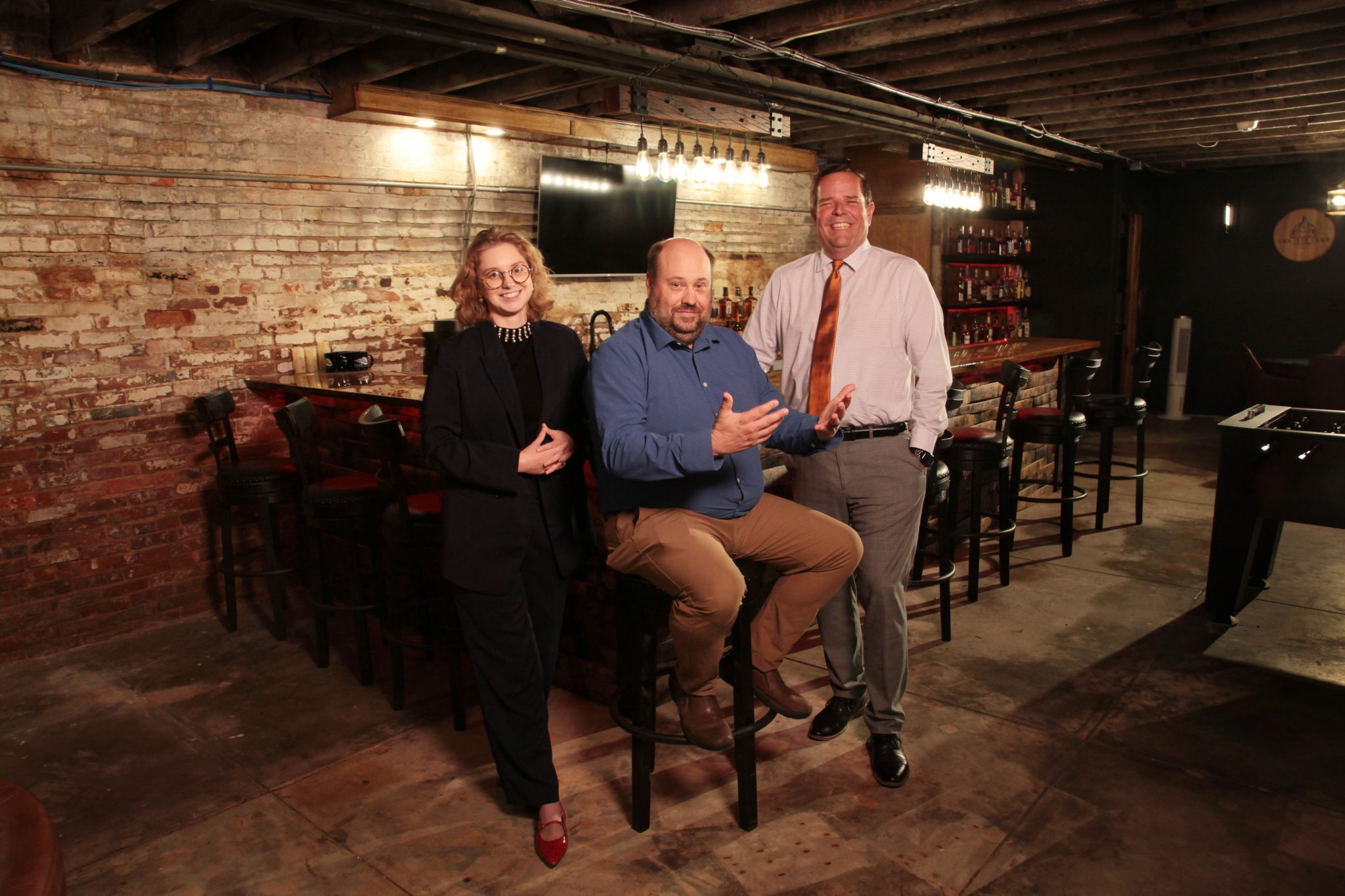
Gratitude for a Community That Trusts Them
When asked about the impact their organization has on New Albany, the three attorneys reflect not on their expertise, but on their gratitude.
“We’re blessed,” Steve says. “People trust us in moments when they’re vulnerable or scared or uncertain. You can’t take that for granted.”
Bridget agrees: “It’s a privilege to serve families who’ve lived here for generations, and who continue to return to us. That’s special.”
For Gary, he’s simply ecstatic to play a role in supporting Clark and Floyd County families and building on the success that CLLB has sustained since its opening in 2020.
“We’re just thankful to be part of this community. Truly.”