Give Today
When Getting There Gets in the Way
How a $2.45 million investment in transportation could connect more Southern Indiana residents to jobs, healthcare, and everyday life
Ten miles – it’s remarkable how short, yet so far, that distance can seem for some.
A good job might be 10 miles away. The doctor’s office might be across town. A training program could be available in the next community over. But without a car, or someone you can consistently depend on for a ride, 10 miles is out of reach.
For some residents of Clark and Floyd counties, transportation affects decisions most of us make without giving them much thought: Can I take that job? Can I make that appointment? Can I get to the grocery store? Can I participate in that program? Can I reliably get home afterward?
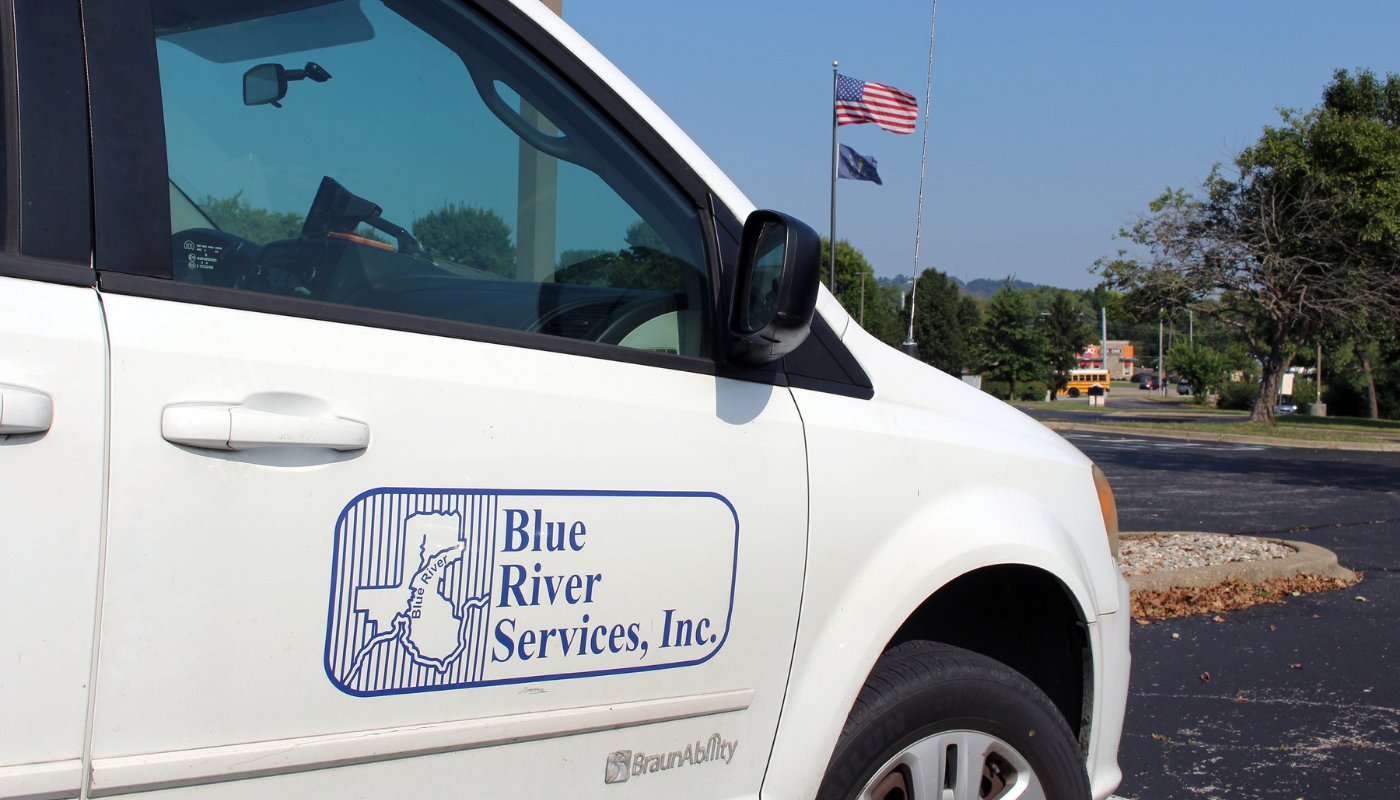
Those everyday realities are part of the reason the Community Foundation of Southern Indiana (CFSI) is making a historic $2.45 million investment to help Blue River Services expand affordable public transportation throughout Clark and Floyd counties.
Beginning October 14, the two-year initiative will start putting into action something our community has been talking about for years.
What we heard
The Community Foundation regularly asks residents to help us better understand the opportunities and challenges facing Southern Indiana.
Our latest effort, Priorities for Progress in Southern Indiana: 2025 Update, was conducted by the Indiana University Southeast Applied Research and Education Center and built upon community assessments completed in 2015 and 2020.
The 2025 research included surveys and listening sessions, with an intentional effort to hear from low- to moderate-income residents whose perspectives can sometimes be underrepresented in traditional community research.
Transportation quickly became part of the conversation.
In the survey, 45% of respondents identified improving public transportation as a priority. But the listening sessions added another layer to that number.
Residents talked about transportation as a barrier to employment, healthcare, training, and other everyday needs. Local service providers consistently described the same challenge among the people they serve. Across different conversations, one idea surfaced repeatedly: Southern Indiana needed an affordable, on-demand way for people to get where they needed to go.
The idea was simple: A person shouldn’t lose access to a job – or struggle to keep one – because they don’t have a reliable ride.
That stuck with us.
From community input to community investment

When Lilly Endowment Inc. awarded CFSI $3.75 million through its Giving Indiana Funds for Tomorrow (GIFT IX) Community Support Grants, our Foundation had an unusual opportunity.
These weren’t dollars we wanted to spend simply because they were available. They presented an opportunity to look at what our community has told us, identify where an investment of this size could make a meaningful difference, and find the right partners to turn an idea into something tangible.
Our Board of Directors discussed several possibilities for the funding, spending months weighing the pros and cons of various projects. Ultimately, an investment in transportation received unanimous support.
The result is a $2.45 million commitment to work with Blue River Services and its Southern Indiana Transit System to expand affordable transportation across Clark and Floyd counties.
Blue River Services isn’t starting with a map and guessing where buses should go, however.
For weeks, the organization has been surveying residents about where they travel, how far those destinations are from home, how they currently get there, and what kind of transportation would be most useful. Staff have also reached out to local governments, nonprofits, and community leaders to help build a clearer picture of how people move throughout the two counties.
That information will help shape the routes and services that come next.
The expanded system will focus on on-demand transportation and deviated routes, giving riders a combination of flexibility and predictability. On-demand service will allow riders to schedule transportation based on where and when they need to travel, while deviated routes will follow established routes and schedules with limited flexibility to pick up or drop off riders away from designated stops.
Most importantly, the service is intended for the public.
A rider won’t need to qualify through Medicare or Medicaid, meet a particular income threshold, or belong to a specific population. For trips within the service area, one-way fares will range from just $2 to $4 based on distance.
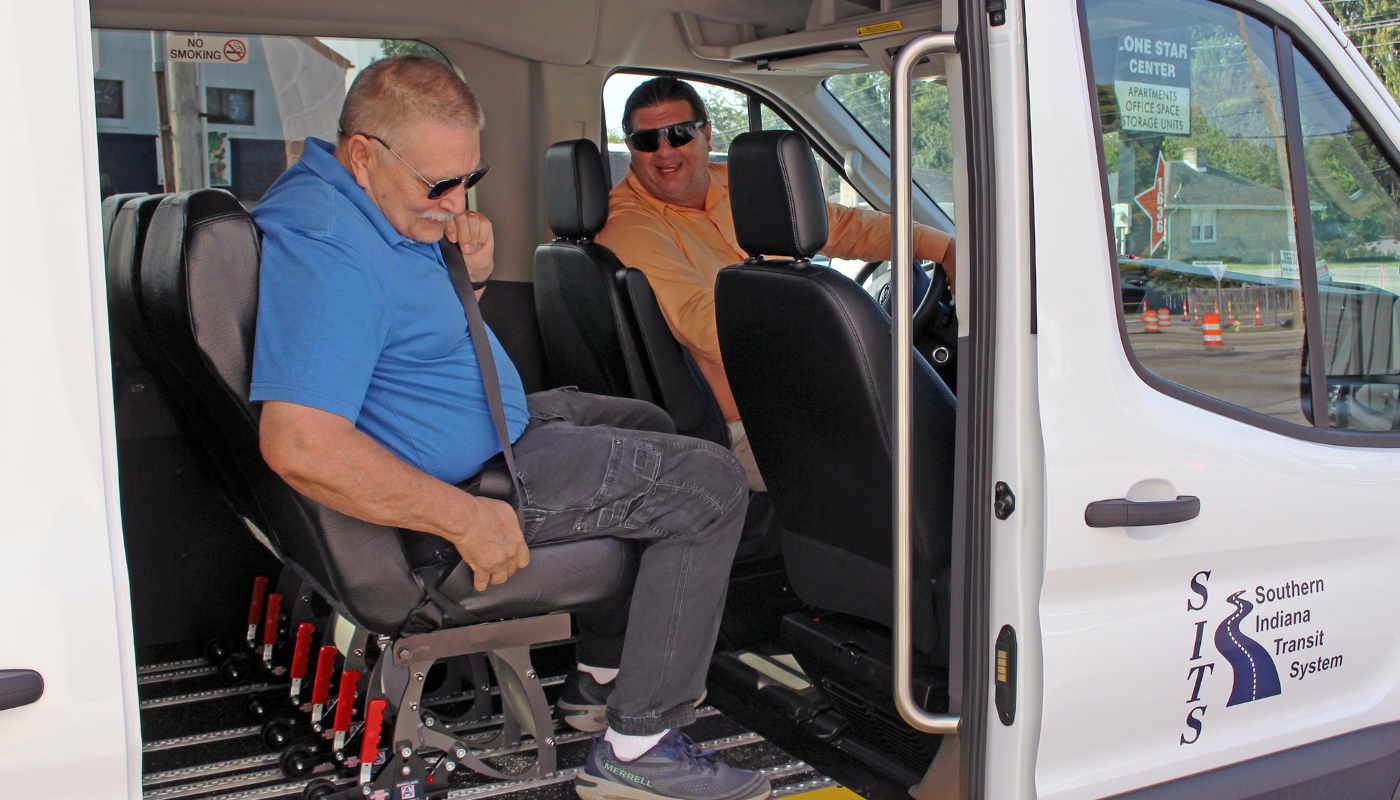
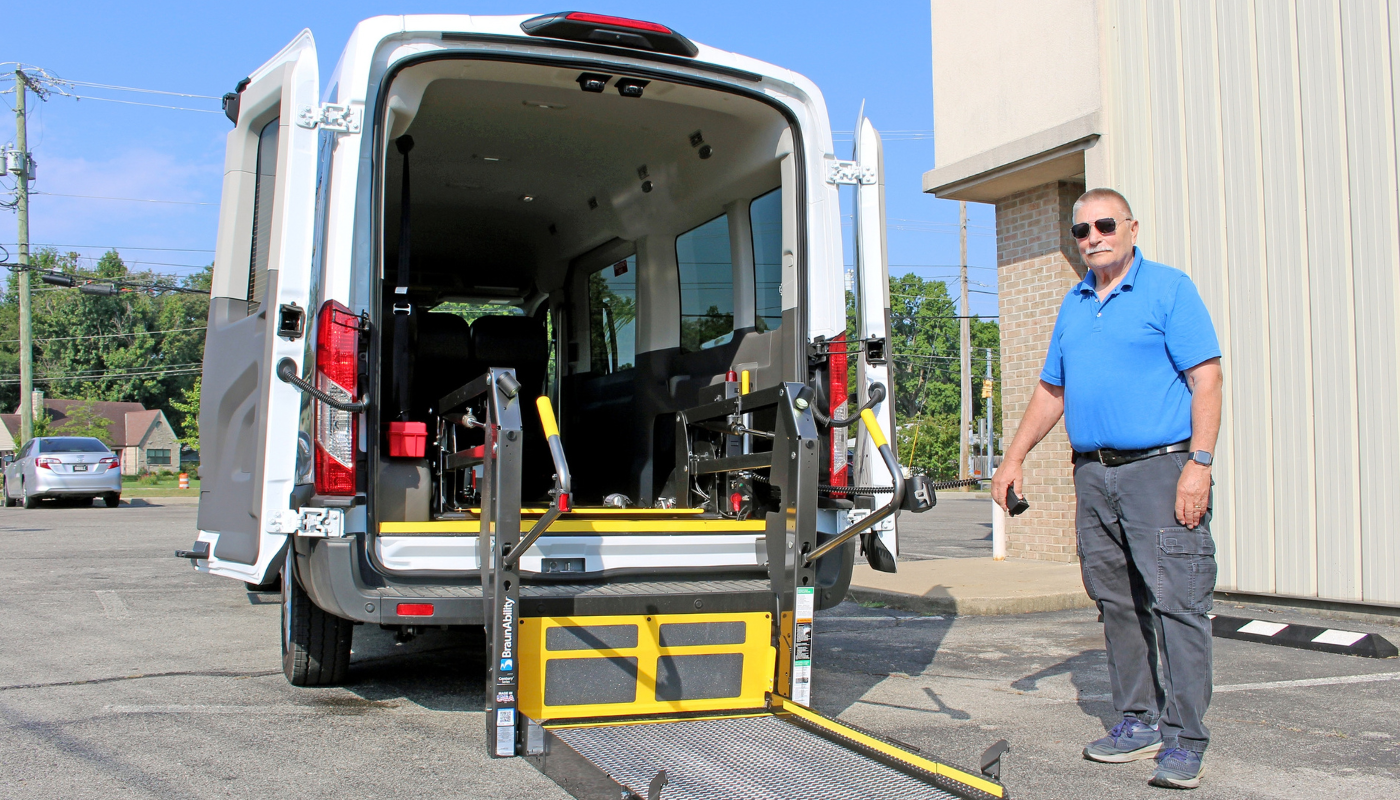
Seven ADA-accessible minibuses and vans will also be added to the SITS fleet and dedicated to serving Clark and Floyd counties.
Those details matter. But what they make possible matters more.
When a ride is much more than a ride
Imagine someone living in Charlestown who finds a better-paying job in New Albany but doesn’t have dependable transportation to make that commute five days a week.
Or an older resident who has stopped driving and must arrange every doctor’s appointment around when a family member or friend is available.
Consider someone trying to complete workforce training while also figuring out how to get to class – and eventually to the job that training is supposed to help them secure.
These aren’t stories about transportation alone.
They’re real stories about access.
Southern Indiana has organizations working every day to expand access to healthcare, strengthen our workforce, provide education and training, address food insecurity, serve older adults, and create opportunities for young people.
But even the best program can’t completely overcome the problem of someone being unable to get there.
That’s what makes transportation unusual. It touches so many other pieces of community life.
An affordable ride can help an employee get to work reliably. It can help an employer reach workers who previously couldn’t consider the job. It can connect someone with healthcare, groceries, or services. And for a resident who doesn’t drive, it can provide something even harder to quantify: independence.
That is the opportunity CFSI and Blue River Services see in this investment.
The next two years are only the beginning
There is another important piece to this project. The goal isn’t to use $2.45 million to provide transportation for two years and then watch the service disappear.
We want to use that time as an opportunity to find out what, specifically, works.
As the expanded service operates, Blue River Services will be able to track ridership, identify the routes and services people use most, adjust based on what it learns, and build real-world evidence about the demand for public transportation in Clark and Floyd counties.
That information will matter when the conversation turns to what comes next.
One of the project’s long-term goals is to demonstrate enough demand and community value to attract additional partners and develop a sustainable funding model after the initial grant period ends.
In that sense, this investment isn’t only helping put vehicles on the road.
It’s giving Southern Indiana two years to build, test and strengthen something our community has asked for – and determine what it will take to keep it moving.
For CFSI, that’s an important part of what community philanthropy can accomplish.
Our role isn’t always to have the solution ourselves. Sometimes it’s to listen closely enough to recognize an opportunity, connect the people and organizations capable of doing something about it, and provide the resources that allow a promising idea to get off the ground.
Our community told us transportation was getting in the way.
Beginning October 14, we’ll start seeing what happens when it doesn’t have to.